
How to Plan a Kitchen Remodel Without Costly Mistakes

Plan a Kitchen Remodel in Granger IN
Quick Take: A kitchen remodel isn't just about picking pretty cabinets. The costly mistakes happen early, before anything is even ordered. Nail your budget, layout, and material choices upfront and the rest of the project is a lot easier to manage.
Most Granger homeowners come to us after putting off a kitchen update for years. Once they're ready, the questions hit all at once. What do you pick first? How much is this actually going to cost? What if something goes wrong?
Kitchens in this area were built decades ago. They weren't designed for the way families cook and gather today. A good remodel fixes that. This guide walks you through the steps that keep your project on time and on budget.
Set a Realistic Budget Before You Fall in Love With Anything
Kitchen remodels in the Granger and Mishawaka area typically run between $25,000 and $75,000. That's a wide range, and it exists because every project is different. A simple cabinet and countertop swap costs a lot less than a full layout overhaul.
Here's a rule most experienced homeowners swear by: add 10 to 15 percent on top of your budget before you start. That buffer covers the surprises that show up once walls are open. And they always show up.
Cabinets eat the biggest chunk of most budgets. Countertop material makes a big difference too. Quartz costs more than laminate, but it holds up better over time. Don't forget appliances, hardware, and lighting. Those add up fast.
Set your number before you fall in love with a specific look. Once you have a budget, we can build a plan around it. Knowing your range early makes your kitchen remodeling options a lot clearer.
Get the Layout Right Before You Pick a Single Finish
Layout mistakes are the hardest kind to fix. Once the cabinets are in and the countertops are cut, changing things is expensive. Get the layout locked in first. Everything else comes after.
The Work Triangle Still Matters
Your sink, stove, and refrigerator form what designers call the work triangle. Each leg should be between 4 and 9 feet. Too short and you're bumping into whoever is standing next to you. Too long and you're walking laps just to make dinner.
A lot of older Granger kitchens were never built with this in mind. The triangle ends up cramped or awkward. Good kitchen design catches that before anything gets ordered.
Counter Clearance Is Non-Negotiable
You need at least 42 inches between counters to work safely. If two people cook together, bump that up to 48 inches. Less than that and you'll be hitting cabinet doors and each other all day long.
It's a simple number, but it gets skipped all the time. Lock it into your floor plan early. Finishes, fixtures, and appliances all come after the layout is set.
Pick Your Materials Early or Watch Your Timeline Fall Apart
This is the part most people don't think about until it's too late. Custom cabinets take 8 to 12 weeks to arrive after you order them. Some countertop slabs add another 2 to 4 weeks on top of that.
Midwest winters don't help. Northern Indiana sees shipping slowdowns from November through March. A material that moves quickly in September can sit at a warehouse for weeks once winter hits.
Make your selections during the design phase. Not after demo starts. Homeowners who wait too long end up eating dinner in the living room for months.
Walking a showroom makes this a lot easier. You can see cabinet finishes, countertop slabs, and hardware side by side and actually touch them. Browsing kitchen cabinets in person tells you a lot more than a photo on a screen ever will.
Early ordering also keeps your installer's schedule intact. Most crews book out weeks in advance. If your materials show up late, your spot in the queue might not be there when they do.
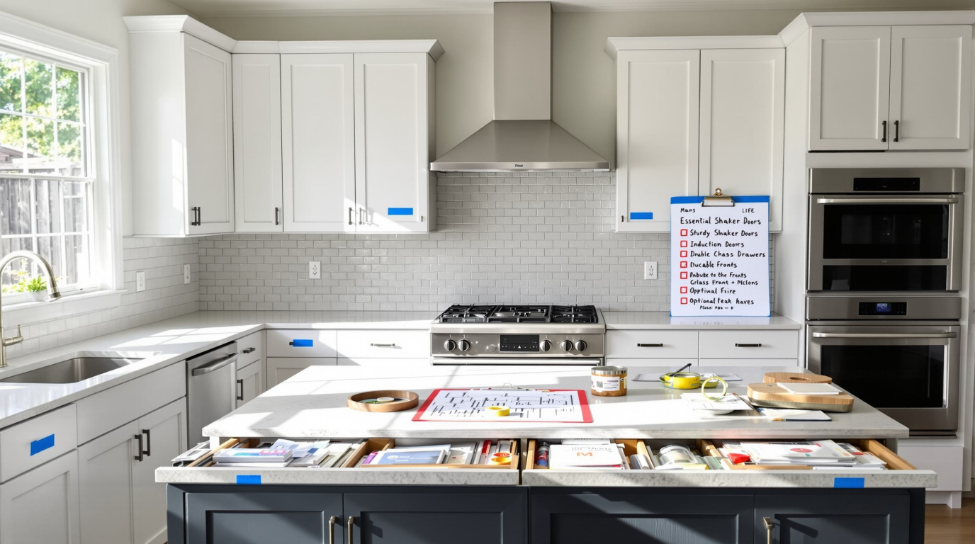
Know What Might Be Hiding Behind Your Walls
Homes built in the late 1980s and early 2000s weren't designed for today's appliances. The wiring, plumbing, and layouts are often original. What looks like a simple update on the surface can get complicated fast once the walls come down.
Old wiring is the most common surprise. Those circuits weren't built to handle a modern range, refrigerator, and dishwasher all running at once. An electrician may need to add circuits or upgrade your panel before installation can start.
Plumbing catches people off guard too. Moving a sink just a few feet means new drain lines and supply connections. That's a licensed plumber's job, not a cabinet installer's. Plan for it ahead of time and price it in before you commit to a budget.
Don't skip the permits either. Plumbing and electrical changes usually require one in Granger. Skip that step and it can cause real headaches if you ever go to sell the house.
None of this is a reason to avoid remodeling. It's just a reason to plan ahead. Finding out about it early is a lot better than finding out mid-project.
Know Exactly Who's Doing What Before Work Starts
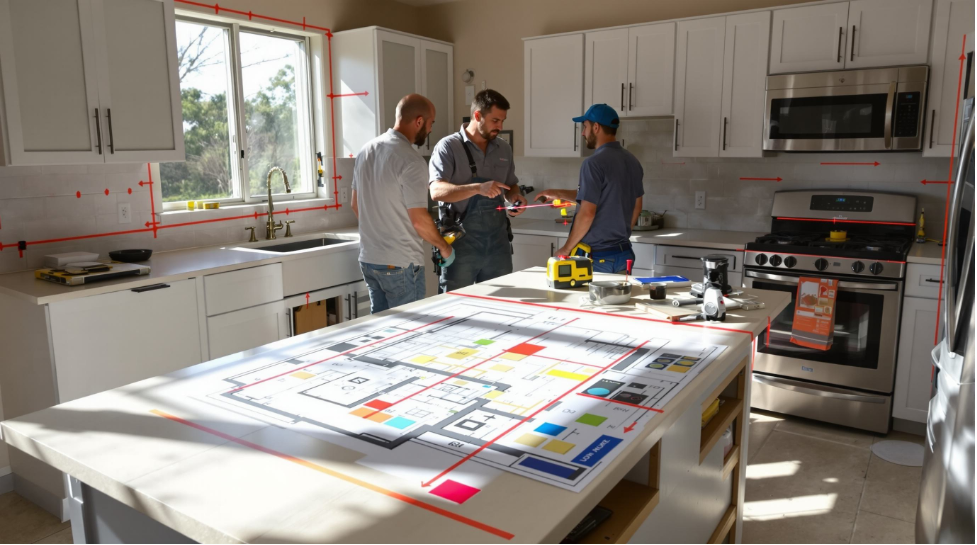
Unclear scope causes more remodel headaches than almost anything else. A homeowner thinks one company is handling it all. Then something doesn't get done. Getting it in writing before demo day prevents most of that.
A design and supply specialist covers cabinets, countertops, windows, and doors. Structural changes, plumbing, and electrical are contractor territory. Both sides need to know the plan before anyone picks up a tool.
Before your project kicks off, make sure you have clear answers to these questions:
- Who's pulling the permits for plumbing and electrical
- Who's coordinating material delivery and when it's expected
- Who handles defects or damage found during installation
- What the payment schedule covers and when each payment is due
- Who's your main point of contact when something needs attention
Our team works directly with contractors throughout every project so everyone's on the same page. If you're thinking about bathroom remodeling at the same time, having one team coordinate both jobs makes the whole thing cleaner.
How to Spot the Right Team (and the Wrong One)
Who you hire matters just as much as what you buy. A company with great products but poor communication can derail a project fast. Here's what to watch for before you sign anything.
Good signs:
- A real showroom you can walk through: not just a website with stock photos
- Written proposals with a clear scope: not verbal agreements that change later
- Honest lead times explained upfront: not timelines that sound too perfect
- Years of local experience: a long history in the area means they're accountable
- One clear contact person: someone you can actually reach when you have a question
Warning signs:
- Bids that seem too low: they're usually missing something
- No physical location: nowhere to go if something goes wrong
- Fuzzy timelines: with no real explanation for delays
- Pressure to decide fast: before you've had time to review the details
- No reviews or local references: no track record you can actually check
Leatherman Supply has been in the Michiana region since 1964. Three generations of family ownership. Every project adds to a reputation this team has spent decades building.
Ready to Start Planning Your Kitchen Remodel?
A kitchen remodel is one of the biggest investments you'll make in your Granger home. The ones that go well aren't always the biggest jobs. They're the ones where the homeowner came in with a real plan, a realistic budget, and the right team behind them.
Leatherman Supply has helped homeowners through kitchen and bathroom projects for over 60 years. Our team covers layout planning, material selection, and professional installation, and we stay with the project until it's done right. Stop by the showroom at 1245 East University Drive in Granger and let's talk through what you have in mind.