
Kitchen Layout Mistakes That Hurt Function
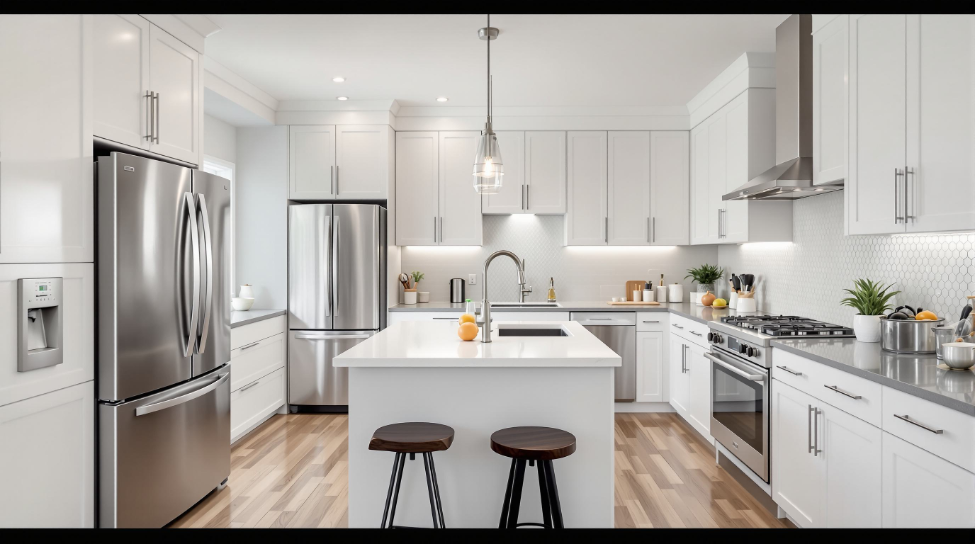
Kitchen Remodeling in Granger, IN Layout Tips
Quick Take: Most kitchen layout mistakes happen before a single cabinet gets ordered. In Granger, a lot of homes from the 1990s and early 2000s were built for one cook. Fixing layout problems early saves thousands and keeps you from redoing the whole thing years later.
A kitchen remodel is a big deal. Most homeowners spend months picking out cabinet colors, countertop materials, and hardware. That part is fun. But layout comes first, and it shapes everything else.
Layout mistakes are the hardest to undo once work starts. Moving an island or widening an aisle mid-project adds cost and time fast. Get the layout right before anything is ordered, and the rest of the remodel has a much better shot at going smoothly.
The Work Triangle Most Kitchens Get Wrong
Your sink, stove, and fridge form what designers call the work triangle. Each leg should be between 4 and 9 feet. Keep it in that range and cooking feels easy. Push it too far out and you're walking circles every time you make dinner.
A lot of Granger homes were built with closed-off floor plans. The fridge ends up in a corner, the stove sits against a far wall, and the sink faces a window on the other side. That can stretch each leg of the triangle way past 9 feet. More steps, more backtracking, more bumping into each other on a busy night.
You don't always need to gut the kitchen to fix it. Sometimes one appliance move during a kitchen remodeling project brings the triangle back into range. But that call needs to happen in the design phase, not after the cabinets are already on order.
Aisle Width That Stops Traffic Cold
Forty-two inches. That's the minimum clearance you need between counters for one person to work comfortably. If two people cook together, bump that up to 48 inches. Go below 36 and you can't pass someone without turning sideways.
Most late-90s homes in Granger were designed for one cook. That made sense back then. But today's kitchens do a lot more. A kid at the island doing homework, one adult prepping dinner, another unloading the dishwasher. All three happening at once in a 38-inch aisle is a nightmare.
We catch this one a lot. The cabinets look great. The counters are solid. But nobody thought about the aisle. Fixing it usually means adjusting a cabinet run or rethinking the island size. That's a design phase conversation, not a mid-install scramble.
Islands That Don't Earn Their Space
An island sounds like a win every time. More prep space, more storage, a spot for the kids to sit. But a badly placed island makes a kitchen worse, not better. Professional kitchen design catches these issues before anything gets ordered. These are the island mistakes we see most in Granger kitchens:
- The island is too big for the space: A 4-by-2-foot island is about the smallest size that's actually useful. A lot of homeowners push for something bigger without checking clearance on all four sides. That's how bottlenecks happen.
- Perimeter clearance is too tight: You need 42 to 48 inches between the island and the surrounding counters. Less than that and the island just gets in the way.
- Seating wasn't part of the plan: Good bar seating needs 12 inches of overhang and 36 to 42 inches of open floor per seat. Skip this step and the stools don't fit right.
- The island was ordered before the layout was finalized: Changing island dimensions after cabinets are in production costs money and pushes timelines back. Lock the layout first.
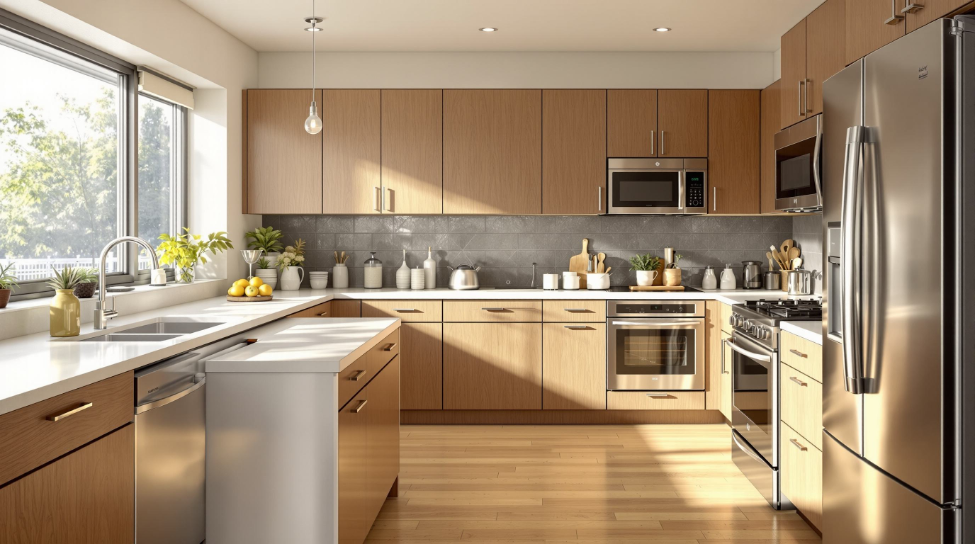
Cabinet Placement That Creates Dead Zones
Cabinet layouts look clean on paper. But small placement errors turn into storage you can't reach and doors that smack into each other. Three cabinet problems keep coming up in Granger kitchen remodels.
Upper Cabinet Height Errors
Too high and you're grabbing a step stool for everyday dishes. Too low and your stand mixer doesn't fit on the counter. Eighteen inches above the countertop is the standard, and it works. Our team sets this before cabinet lines like Mouser, Wellborn, or Waypoint get specified.
Corner Cabinet Accessibility
A blind corner with no pull-out system wastes 30 to 40 percent of the space inside. That's a lot of storage just gone. Lazy Susans, swing-out shelves, and pull-out trays fix it, but they have to be part of the design phase. You can't easily add them after.
Appliance Door Conflicts
Cabinet doors and appliance doors need room to swing open without hitting each other. A cabinet too close to a wall oven or fridge creates a conflict every single time someone opens either one. It's easy to catch in a 3D layout review. It's very hard to fix after everything is installed.
Appliance Clearance and Door Swing
Appliances take up more room than just their footprint. Every door, drawer, and panel has to open all the way without running into something. When that clearance isn't planned, the kitchen fights you every time you cook.
A fridge door swinging into an island is probably the most common conflict we catch. On a flat floor plan, it looks totally fine. Once the island is in, the door only opens halfway. Now you're at an awkward angle every time you reach for something.
The same problem follows dishwashers. Drop that door open in a tight kitchen and you've blocked the entire path to the sink. Two people can't work near each other. In older Granger homes, the original kitchen footprint just wasn't built for the appliances people use today.
Landing space next to the oven matters too. You need at least 15 inches of counter beside the range to set hot pans down safely. Without it, the stove becomes a hazard to use morning to night.

Lighting Finalized Too Early
Most homeowners treat lighting like a finishing touch. Pick the fixtures after the cabinets and counters are locked in. That feels logical, but it's one of the most expensive orders of operations in a kitchen remodel.
Pendants over an island are a classic example. You pick the fixtures, mark the ceiling, and move on. Then the island shifts two feet during layout revisions. Now the pendants are off-center. Moving electrical rough-in after drywall means extra labor and more time added to the schedule.
Under-cabinet lighting is another one that gets skipped. It's the most useful task lighting in a kitchen, but it has to be wired in before the upper cabinets go up. Miss that window and you're dealing with tape lights stuck to the bottom of your cabinets as a fix.
Lighting placement is easy to push to the end of the list. The same thing happens with bathroom remodeling, where vanity lighting gets figured out after tile and cabinets are already set. Getting it on the plan early is always the simpler path.
Layout problems are easy to miss when you're excited about the fun stuff. New counters, fresh cabinets, updated fixtures. But the layout is what you live with every day. Get it wrong and no amount of nice finishes makes up for a kitchen that doesn't work.
Leatherman Supply has been helping Granger and Michiana homeowners plan kitchens that work since 1964. Our team goes through every layout detail during the design phase so nothing gets missed before products are ordered. If you're planning a kitchen remodel in Granger, we'd love to help you see it through.