Sustainable Materials for Eco-Friendly Kitchen Remodels in Granger, IN
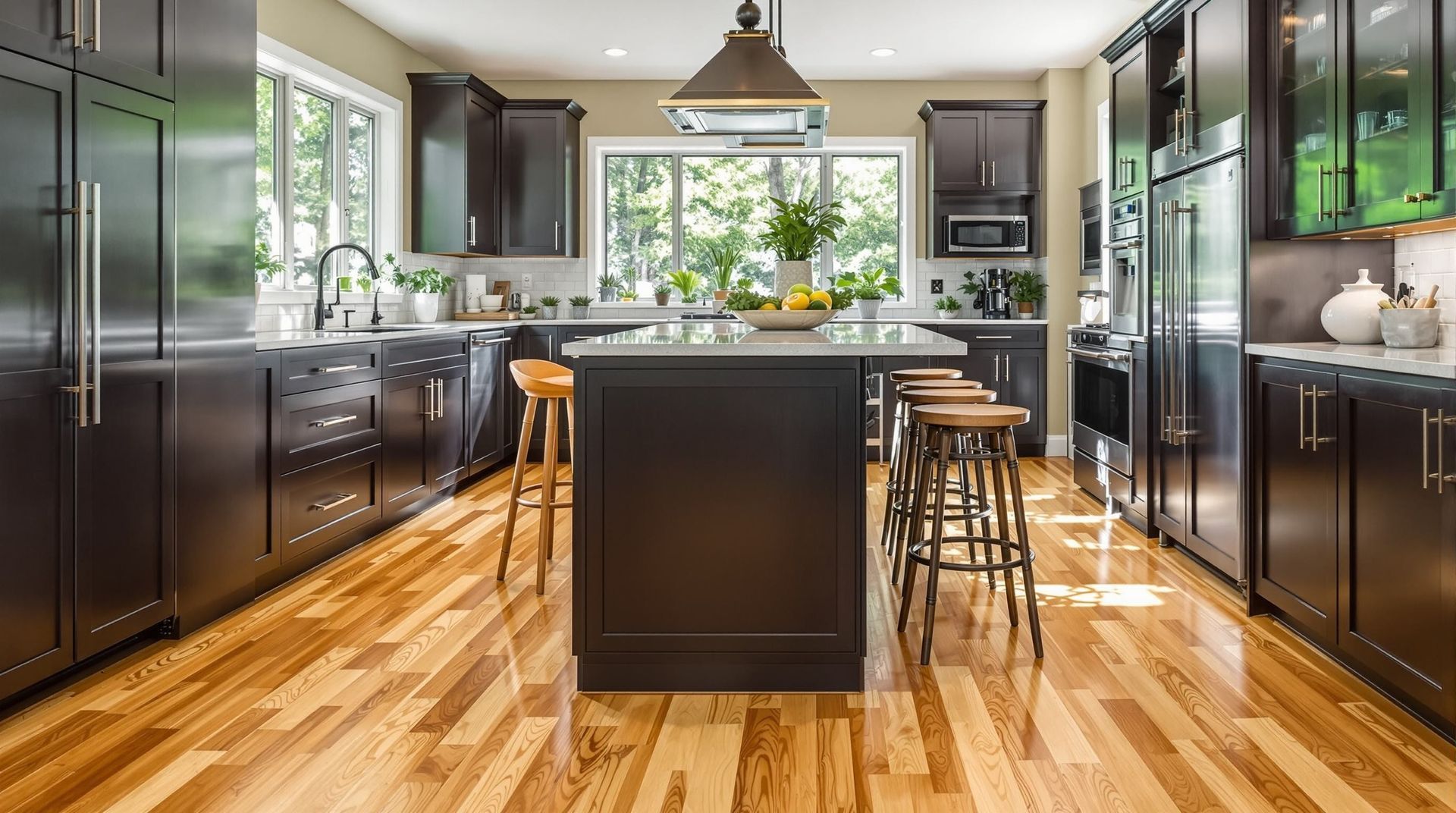
If you live in Granger, you’ve probably had that moment when you look around your kitchen and realize it hasn’t changed much since the early 2000s. The cabinets feel a little dated, the finishes are worn, and even after a deep clean, the space just doesn’t feel as fresh as it used to. That’s completely normal. Most homes in the area were built or last updated 15 to 25 years ago, and those materials have reached the end of their lifespan.
Sustainable materials are giving homeowners a smarter way to refresh their kitchens without repeating the same remodel a few years down the road. They look great, hold up well to everyday life, and support better indoor air quality.
At Leatherman Supply, we’re seeing more Granger families gravitate toward these options because they want a kitchen that feels good to live in and stands the test of time. Let’s take a closer look at what’s worth considering.
Why Granger Homeowners Are Choosing Sustainable Kitchen Materials
Families in Granger tend to stay in their homes for a while. This means you’re not thinking about materials that survive only a few years; you’re thinking about surfaces that can handle cooking marathons, weeknight chaos, and holiday crowds without showing every scratch.
Sustainable materials often end up being the practical choice. Many are produced by manufacturers who take quality seriously because they prioritize responsible sourcing and cleaner production processes. For example, materials certified to meet CARB2 or Greenguard standards release far fewer chemicals into your home. If you’ve ever installed new cabinetry or flooring and dealt with that strong “new house smell” for weeks, you understand why this matters.
And since a lot of Granger homes are entering their next major update cycle, kitchen remodeling becomes the perfect moment to make choices rooted in longevity. It’s not just about looking good today. It’s about choosing things that age well so you don’t find yourself repeating the same project a few years down the road.
There’s also a growing appreciation for how materials are made. People want options that feel thoughtful rather than disposable. When all of these factors meet, sustainable materials tend to rise to the top.
Eco-Friendly Cabinet Options for Modern Kitchens
Cabinets are one of the first things people notice in a kitchen, so choosing the right material is a big decision. Most Granger homeowners start exploring sustainable options when they’re already thinking about updating their kitchen cabinets , which makes this a natural place to begin.
FSC-Certified Wood Cabinets
FSC certification means the wood used to build your cabinets comes from responsibly managed forests. You still get the beauty and strength of natural wood, but with the reassurance that the harvesting process supports long-term forest health. These cabinets feel solid, carry weight well, and can be finished in everything from classic stains to modern paints.
Low-VOC and Water-Based Finishes
If you’ve ever walked into a house where new cabinets were recently installed and the smell hits you right away, you’ve experienced high-VOC finishes. Lower-VOC alternatives help reduce that issue significantly. Water-based finishes still give you the rich color and smooth feel you expect, but without weeks of lingering odor. Families with kids or pets tend to appreciate this the most.
Sustainable Countertop Materials That Hold Up to Daily Life
Countertops handle almost everything: cutting boards, hot pans, spills, homework sessions, and the occasional dropped dish. Eco-friendly doesn’t mean delicate; many sustainable options are surprisingly tough.
Here are some of the most reliable choices:
- Recycled quartz: This material blends leftover stone pieces with resin, creating a highly durable, non-porous surface. It’s great for families who don’t want to fuss with sealing or heavy maintenance.
- Composite countertops made from recycled content : These surfaces mimic the look of stone without the environmental impact of quarrying new material. They’re consistent in color, easy to clean, and made with longevity in mind.
- Responsibly sourced butcher block : If you like natural warmth in a kitchen, butcher block is hard to beat. When the wood is sourced from well-managed forests, it’s a sustainable option that brings texture and comfort into the room. It does require occasional oiling, but many homeowners find the tactile feel worth the extra step.
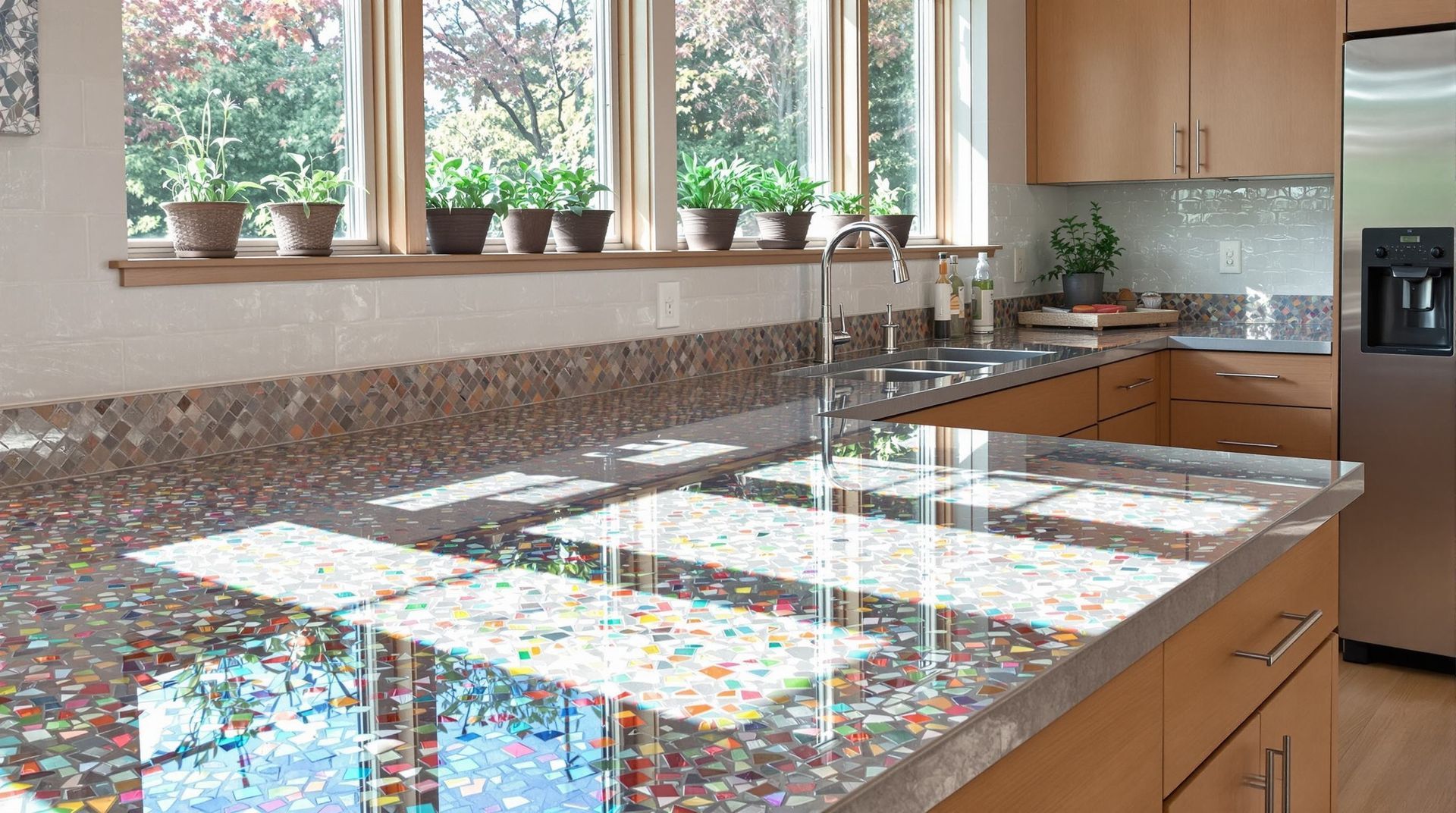
- Recycled glass countertops: These are great if you want a visually unique surface. The glass chips add character, and the material keeps tons of usable glass out of landfills. They’re durable but may show light etching over time, so consider how you cook and entertain.
Each of these options performs differently, so the best choice depends on how you use your kitchen and how much maintenance you’re comfortable with.
Greener Flooring Options for an Updated Kitchen
Flooring has a huge impact on how your kitchen feels and sounds, and eco-friendly choices have come a long way.
Bamboo has become a popular favorite. It grows quickly, making it one of the most renewable materials available. Good-quality bamboo flooring is stable, attractive, and comes in a wide range of colors and styles.
Cork surprises a lot of homeowners. It’s naturally soft underfoot, which makes long cooking sessions more comfortable. It also helps dampen noise and provides a gentle warmth. Cork is harvested without cutting down the tree, keeping it renewable year after year.
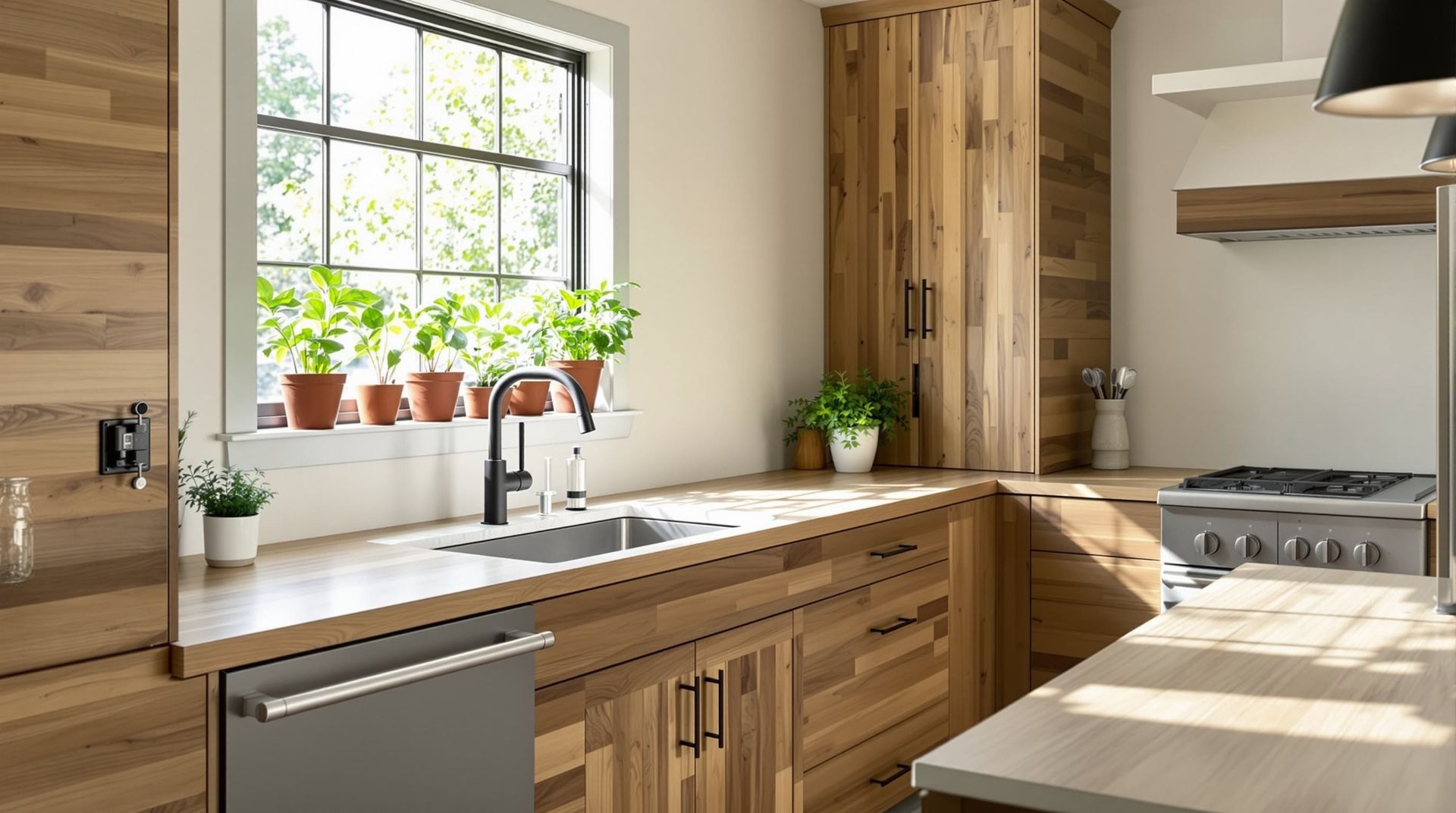
Reclaimed wood has become a standout option for character and sustainability. Every plank has its own texture and history, and using reclaimed material reduces the need for new timber. It works especially well in older Granger homes where you want updated materials that still feel connected to the home’s personality.
Choosing Energy-Smart Windows and Doors for the Kitchen
This isn’t the first category people think of when planning a kitchen remodel, but it should be part of the conversation. Older homes in Granger often have original windows that struggle to keep conditioned air inside, especially during Midwest winters or humid summers.
Energy-efficient windows and patio doors help stabilize indoor temperatures, reduce drafts, and make the kitchen more comfortable year-round. Features like improved seals, insulated glass, and sturdy frames all make a noticeable difference.
When you combine efficient windows with sustainable interior materials, you get a kitchen that’s not only attractive but also more enjoyable to use in every season.
How Leatherman Supply Supports Sustainable Kitchen Upgrades
Choosing sustainable materials is easier when you have someone guiding you through the process. The team at Leatherman Supply spends a lot of time helping homeowners compare finishes, understand durability differences, and sort through what’s worth the investment.
Because the company partners with manufacturers who take sourcing and craftsmanship seriously, you’re not guessing about quality. You can see the differences in person, ask questions, explore cabinet construction details, and get a better sense of how materials will actually feel in your home.
And when it comes to cabinets and countertops, professional installation helps your investment last. Proper fitting, leveling, and alignment are often overlooked but make a massive difference in how your kitchen functions over time.
Conclusion
Creating a more eco-friendly kitchen isn’t about being perfect. It’s about making thoughtful choices that support the way you actually live. Whether you lean toward recycled quartz, low-VOC finishes, bamboo flooring, or responsibly sourced wood, each material brings something valuable to your home.
If you’re in Granger and thinking about your next steps, exploring materials in person is one of the best ways to understand what fits your lifestyle. Take your time, compare options, and choose the things that feel right for your space. When everything comes together, you end up with a kitchen that not only looks refreshed but also supports your home for years to come.