
The Rise of Concealed Kitchens in Granger, IN: Sleek and Clutter-Free Spaces
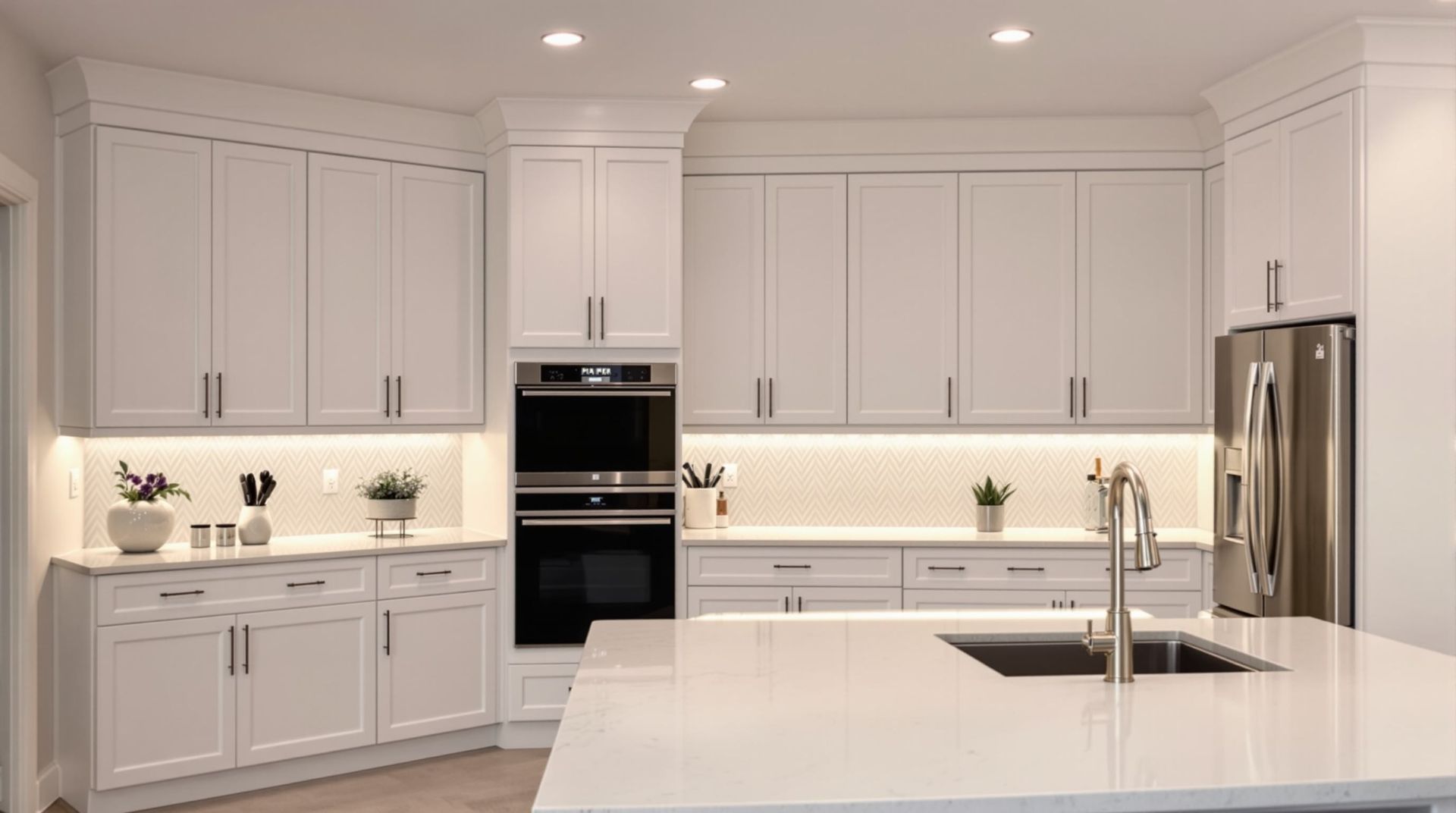
If you live in Granger, you’ve probably noticed the shift toward kitchens that feel cleaner and easier to manage. Many homes built in the 90s and early 2000s still have layouts that show every bit of daily activity, so families are looking for ways to keep the space functional without letting it dominate the entire main level.
That’s why concealed kitchens are becoming such a popular choice. They let you tuck away appliances, tools, and busy work zones while keeping everything close at hand. It’s a practical way to create a calmer, more streamlined space without changing how your household actually lives.
What Is a Concealed Kitchen?
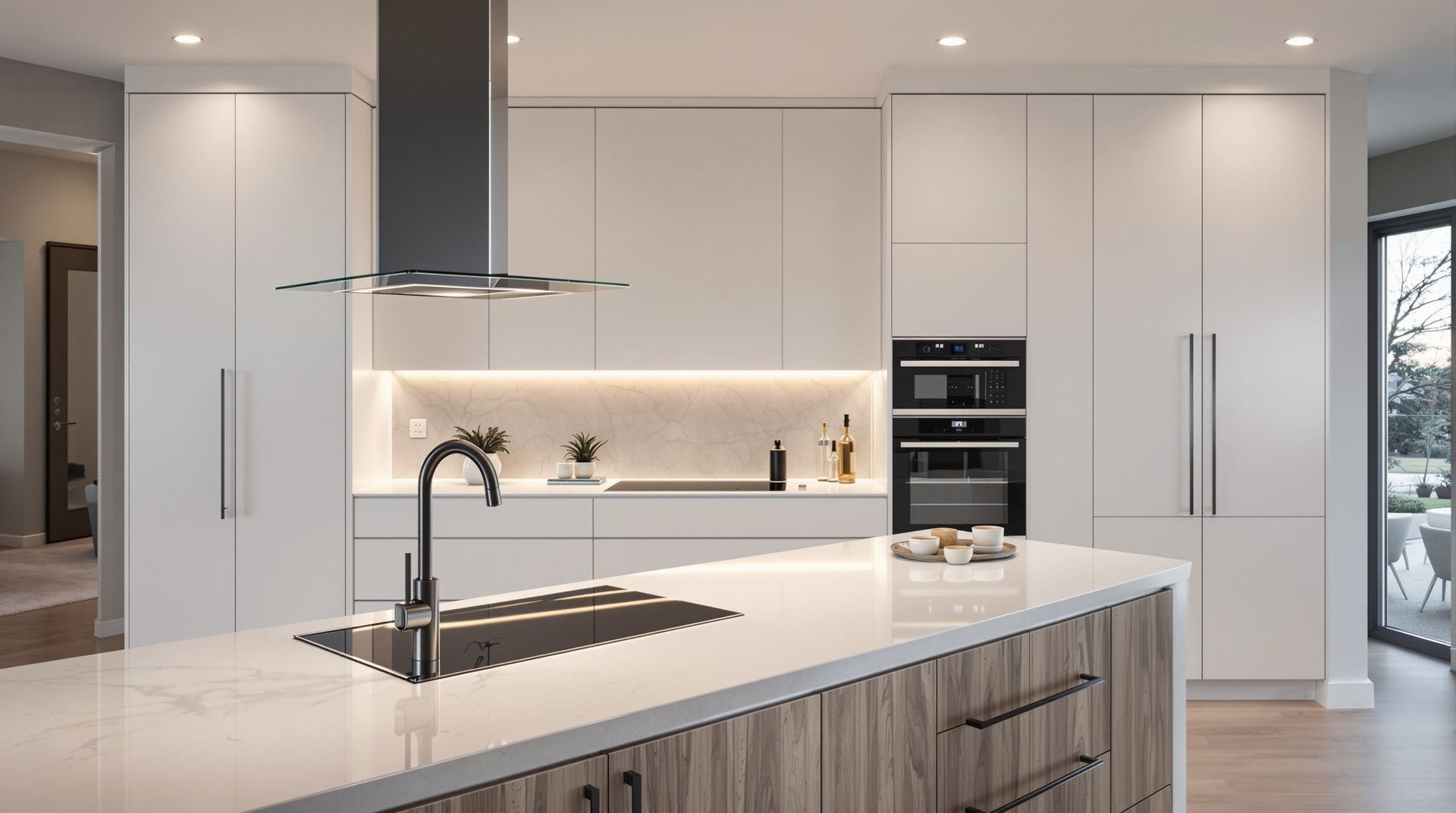
A concealed kitchen is simply a kitchen designed to blend into the rest of your living space. The essentials are still there, they’re just tucked behind panels, tall doors, or integrated cabinetry so the room feels calmer and more open.
You’ve likely seen bits and pieces of this idea already. For example, a tall cabinet that opens to a full coffee station, an appliance garage hiding mixers and toasters, a fridge covered with a matching panel, or pocket doors that slide back to reveal a workspace when you need it.
The goal isn’t to hide the kitchen entirely. It’s more about controlling how much of it you see at any given moment. In open floor plans, especially common in Granger, this makes the entire main level feel more unified. When the kitchen isn’t visually demanding all day long, the living and dining areas feel more intentional.
And the best part: a well-designed concealed kitchen doesn’t compromise convenience. It simply quiets the visual noise so the room feels easier to live in.
Why Concealed Kitchens Are Gaining Popularity in Granger, IN
A lot of Granger homeowners fall into the “practical upgrader” category. You want a kitchen that looks current, fits your lifestyle, and adds value without leaning on trends that disappear quickly. Concealed kitchens hit that balance well.
Many families appreciate how a cleaner, calmer kitchen impacts the whole house. When appliances and everyday items are tucked away, the room stops feeling like the backdrop for constant activity. The visual simplicity makes it easier to relax.
The timing also makes sense. Kitchens from the 90s and early 2000s often have layouts that no longer fit modern routines, corner cabinets that are awkward to access, narrow pantries, bulky appliances that dominate the space. Concealed features give homeowners a chance to rethink flow and storage without taking on major structural changes.
Key Features Homeowners Love
As concealed kitchens become more popular around Granger, a few features consistently stand out. One of the biggest draws is integrated cabinetry. When appliances disappear behind matching panels, the kitchen instantly feels calmer and more put together. It’s a simple change, but families love how it helps the whole space read as one clean line instead of a collection of individual pieces.
Another favorite is the introduction of hidden work zones. Maybe it’s a coffee bar that only appears when you slide open tall doors or a small prep area that stays tucked away until you need it. These little pockets of space keep everyday routines convenient without leaving the counters crowded.
Thoughtful storage also plays a major role. Deep drawers, organized pullouts, and doors that slide back instead of swinging out make the kitchen easier to navigate and keep tidy. It’s storage that feels intuitive and uses the entire footprint of the space.
Put together, these features make the kitchen feel current and more manageable without limiting how you cook or entertain.
Designing a Concealed Kitchen for a Granger Home
Designing this type of kitchen is less about following a trend and more about reworking the space so it genuinely fits how your household moves. With a few strategic updates, a kitchen can feel dramatically more open and organized.
Tailoring the Layout to the Home’s Architecture
Many Granger homes have layouts that are almost there but not quite. Maybe the fridge sits too far from the prep area, or maybe there’s traffic congestion near the pantry door. Concealed design elements offer new ways to rethink zones and create a smoother flow. Tall doors can hide clusters of appliances, while pocket doors or sliding panels can free up space that used to feel tight.
Choosing the Right Cabinetry and Materials
The success of a concealed kitchen depends on materials that stay aligned and perform well over time. Panels need to line up neatly. Doors should glide smoothly. Finishes should hold up to daily activity.
This is why many homeowners begin by exploring options through a kitchen design consultation, which makes it easier to compare materials, see finishes up close, and understand how everything will work in your layout.
Coordinating with Contractors
Most homeowners either have a contractor already or are in the process of selecting one. Leatherman Supply handles the parts they specialize in — cabinetry, countertops, and layout coordination — while the contractor focuses on structural, electrical, or mechanical needs. It keeps the project organized and lets each professional work within their strengths.
Factoring in Real-World Routines
Before finalizing any concealed features, think through the daily flow of the kitchen. What does morning look like? Where do you prep dinner? Who uses which appliances the most? A concealed kitchen works best when it’s built around these real habits.
How Leatherman Supply Supports a Concealed Kitchen Project
Planning a concealed kitchen involves a lot of small decisions, and Leatherman Supply aims to make that process feel more manageable. Their showroom in Goshen lets you see cabinets, finishes, and hardware in person, which helps bring ideas to life.
Their design team guides you through product selection and layout planning so everything feels intentional and realistic for your space. Once the design is finalized, their installation team handles the cabinetry and countertop work with precision, coordinating closely with your contractor to keep the project on track.
For homeowners considering a broader update, exploring kitchen remodeling ideas can help you understand how concealed features might fit into a larger project.
Final Tips for Homeowners Considering This Trend
If you’re thinking about whether a concealed kitchen is right for your home, here are a few things to keep in mind. These simple considerations can help you shape a design that fits your daily routine instead of just looking good in photos:
- Start with your habits: Think through how your family uses the kitchen from morning to night so hidden zones still feel easy to access.
- Decide which appliances truly need to be tucked away and which ones are fine staying out. Not everything has to disappear.
- Add lighting inside work zones: Integrating LED strips or puck lights makes hidden areas more practical and easier to use.
- Choose reliable hardware and hinges: Concealed features get opened and closed more often than standard cabinets.
- Keep expectations flexible: Some layouts can hide more than others, but there’s almost always a creative way to soften visual clutter.
Conclusion
Concealed kitchens are becoming more popular around Granger because they make busy homes feel calmer, cleaner, and more organized. When the design lines up with real routines and the materials hold up to daily use, the kitchen becomes easier to enjoy without taking center stage in the whole house.
If you’re exploring this style for your own home, Leatherman Supply can help you compare materials, think through layouts, and design a setup that feels intentional and comfortable.